Miguel Vences
Evolutionary Biologist, Herpetologist, Photographer
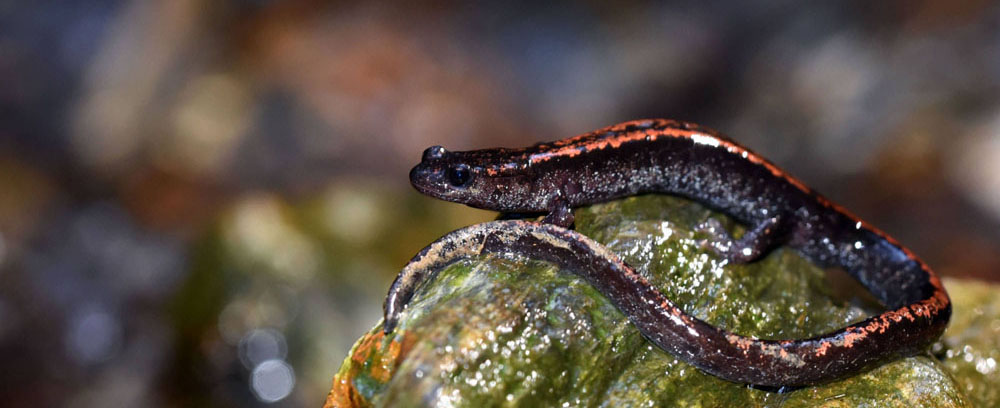
Please use the links below to explore my publications, photo gallery, CV, or go to the Vences lab webpage at TU Braunschweig
| HOME / RESEARCH HIGHLIGHTS | PUBLICATIONS | PHOTO GALLERY | CURRICULUM VITAE |
Research highlights
Hybrid zones through time and taxa
 Understanding where to draw species boundaries remains one of the central challenges in evolutionary biology and taxonomy. Different operational criteria often lead to contrasting taxonomic decisions, contributing to ongoing debates about so-called “taxonomic inflation,” where increasing numbers of lineages are accepted at species rank. A key difficulty is that direct measures of reproductive isolation are rarely available, especially across the vast diversity of described and undescribed organisms.
In a recent study published in Molecular Ecology, we address this challenge by using hybrid zone analyses as a comparative framework to quantify reproductive isolation across a broad range of animal groups. By relating the width of genetic clines in hybrid zones to divergence times, we infer how reproductive isolation accumulates through evolutionary time. In amphibians, we find that that shallow and steep hybrid zones, characteristic of subspecies and species, are at divergence times of <2.6 Ma and >7 Ma, respectively. By applying these time-to-speciation estimates to evaluate patterns of species delimitation through time, we provide a novel perspective on how taxonomic practices may influence perceived rates of species diversification. We find the highest inferred proportion of species with post-Pliocene ages in birds (27.3%) and mammals (21.8%), but also in amphibians we document a 56% increase from 1980 to 2010 in the number of newly described species that fall below the hybrid zone-derived divergence reference point of 2.6 Ma.
Blasting taxonomy
 DNA sequence comparison is a fundamental step in modern biodiversity research, underpinning for instance species identification, phylogenomics, DNA barcoding, and the analysis of historical museum specimens. With a team of colleagues, we developed BlasTax, a standalone bioinformatics software that provides easy access to the widely used BLAST algorithm for detecting sequence similarity and putative homology among DNA and protein sequences.
BlasTax combines the power of local BLAST searches with an intuitive graphical user interface, wrapping the BLAST+ programs into a single tool and thus eliminating the need for command-line expertise or separate installation of BLAST+ executables. Beyond standard sequence searches, the software includes specialized functions for phylogenomic and museomic research, such as recovering matching reads from high-throughput sequencing datasets, removing contaminant sequences, and automatically adding newly identified sequences to existing alignments. Additional program modes support sequence preparation, codon-aware alignments, and dataset curation.
By streamlining complex bioinformatic workflows, BlasTax makes advanced genomic analyses more accessible to taxonomists, evolutionary biologists, and students, facilitating the integration of molecular data into biodiversity research.
Frog Trek
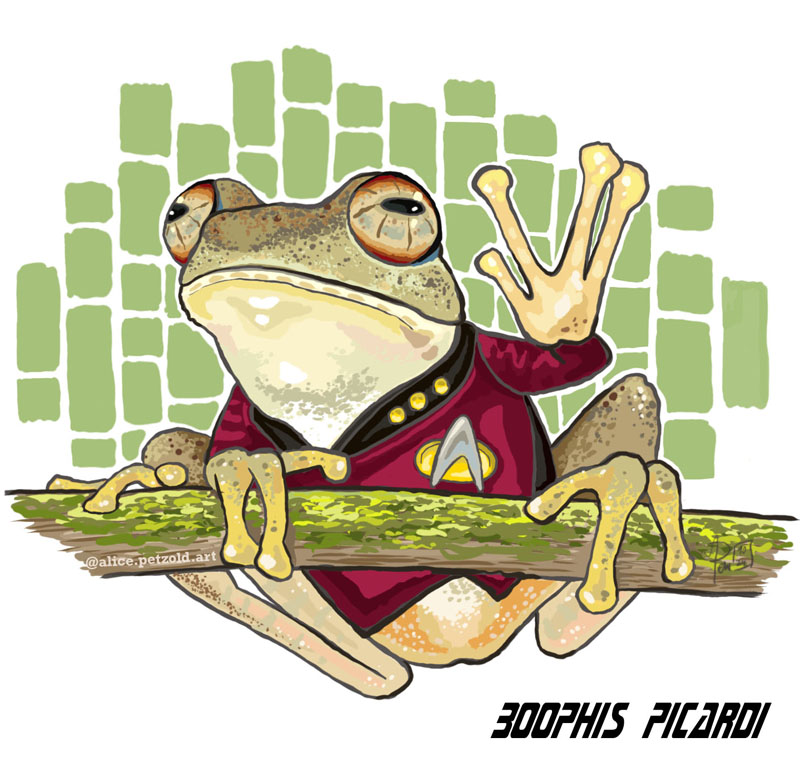
 In the rainy season, Madagascar’s rainforests resound from a plethora of weird sounds: whistles, trills, chirps, barks and whines. Surprisingly, in most cases, these are advertisement calls produced by frogs. One group of treefrogs, the Boophis marojezensis complex, emit otherworldly whistling sounds reminiscent of sounds of technical equipment in the fictional “Star Trek” universe. In a recent paper, we named seven new species of this complex in honor of Star Trek starship captains, namely Boophis kirki, Boophis picardi, Boophis siskoi , Boophis janewayae, Boophis archeri, Boophis pikei, and Boophis burnhamae. With this, we primarily aim to honor the focus on inspiring – even if not always accurate – science and nature conservation prevalent in numerous Star Trek episodes, and the spirit of discovery and scientific exploration that it fosters. Finding these frogs sometimes requires considerable trekking; pursuing strange new calls; boldly going where no herpetologist has gone before. (Drawings by Alice Petzold)
DNA barcoding 2.0

 Over the past two decades, DNA barcoding has become the most popular exploration approach in molecular taxonomy, whether for identification, discovery, delimitation, or description of species. In a Springer Protocols book edited by Rob DeSalle, modern methods and approaches related to DNA barcoding are presented in detail - a must for all researchers who plan to apply analyses of standardized single-locus DNA sequences to biological and especially taxonomic questions. Besides a Glossary of terms related to DNA barcoding, our team contributed to the book a chapter revisiting conceptual and operational aspects of the use of DNA barcodes and genetic distances in species delimitation, as well as specific protocols for the use of different programs included in iTaxoTools, i.e., TaxI2, ASAP, MolD and LIMES.
The whole book can be accessed here.
Request PDFs of specific chapters:
The extinct diversity of Malagasy tortoises
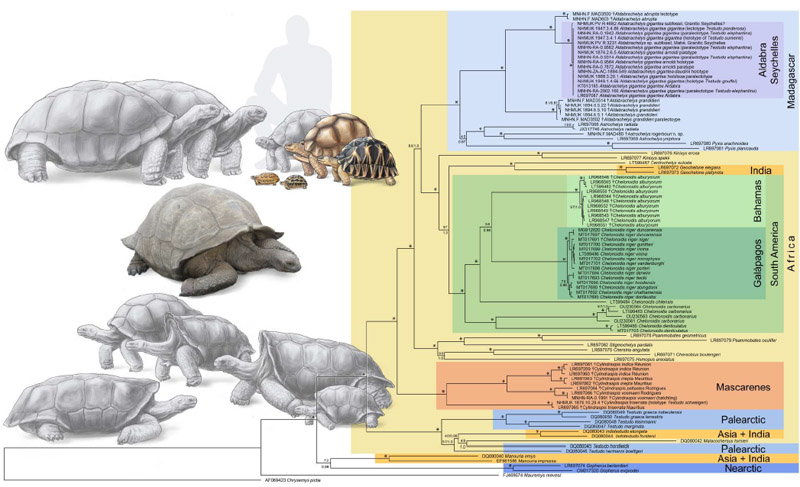 Once upon a time, Madagascar was home to giant tortoises that roamed especially the dry western biomes of the island. Despite the existence of numerous fossil remains, the species diversity and relationships of these creatures remained obscure. Within a larger effort to elucidate the extinct tortoise diversity across archipelagos and landmasses of the Indian Ocean, a study led by Christian Kehlmaier and Uwe Fritz now contributed a molecular perspective on this topic. Complete mitogenomes and nuclear genes sequenced from ancient DNA samples reveals two species of giant tortoises, Aldabrachelys abrupta and A. grandidieri, and a new species of mid-sized tortoise, Astrochelys rogerbouri, from Madagascar, all of which were probably exterminated by humans 1000 to 600 years ago. Our data also confirm close relationships between the extinct A. abrupta from Madagascar and the Aldabra giant tortoise, A. gigantea, thereby supporting the use of the latter species as substitute for the extinct species in current re-introduction efforts of giant tortoises in Madagascar.
20 new species of Brygoomantis
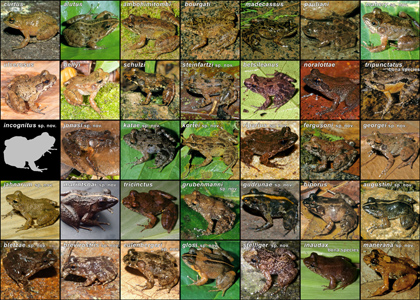
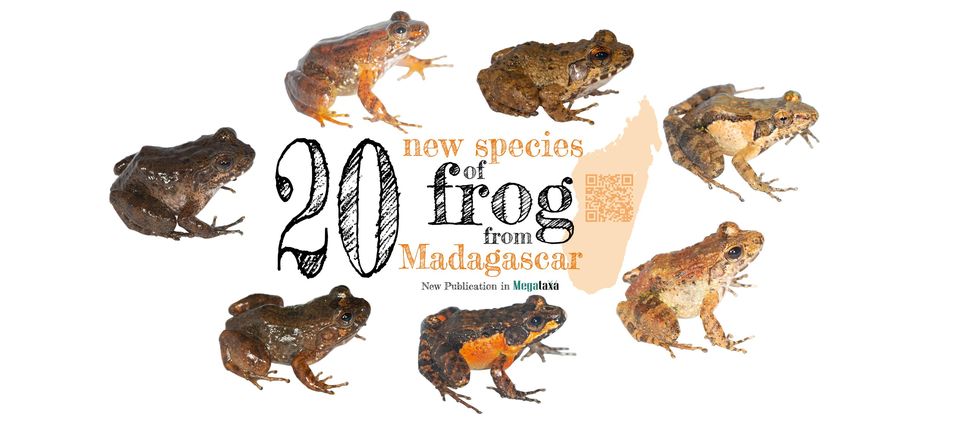 Completing the taxonomic inventory of life is a race against time, especially in Madagascar where rates of habitat destruction are not slowing down and in many areas, the last forest fragments are about to disappear. Often these are known to harbor unique genetic lineages of organisms, many of which remain completely unstudied. In an effort to make this unseen diversity accessible to further research and conservation management, we combined state-of-the-art approaches in phylogenomics (FrogCap) and museomics (barcode fishing) with DNA barcodes of over 1000 individuals of stream-dwelling Mantidactylus frogs of the genus Brygoomantis. Revising these frogs was particularly complex because it required dealing with the uncertain identity of many type specimens and possible hybridization among lineages. Our efforts resulted in a 199 page monograph in the journal Megataxa with descriptions of 20 new species and four new subspecies.
Scherz, M.D., A. Crottini, C.R. Hutter, A. Hildenbrand, F. Andreone, T.R. Fulgence, G. Köhler, S.H. Ndriantsoa, A. Ohler, M. Preick, A. Rakotoarison, L. Rancilhac, A.P. Raselimanana, J.C. Riemann, M. O. Rödel, G.M. Rosa, J.W. Streicher, D.R. Vieites, J. Köhler, M. Hofreiter, F. Glaw, M. Vences (2022): An inordinate fondness for inconspicuous brown frogs: integration of phylogenomics, archival DNA analysis, morphology, and bioacoustics yields 24 new taxa in the subgenus Brygoomantis (genus Mantidactylus) from Madagascar. – Megataxa 7: 113-311.
Horizontal gene transfer from predator to prey
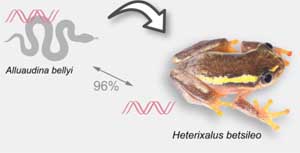 Retrotransposons are genetic elements that can be transmitted not only vertically, through the germ line, but also horizontally – they provide some of the best-documented examples of horizontal gene transfer among eukaryotes. Still, the team of Atsushi Kurabayashi at the Nagahama Institute of Bio-Science and Technology was surprised when discovering a large number of the Bovine-B (BovB) LINE retrotransposon sequences in the genomes of frogs from Madagascar. Based on materials collected during joint fieldwork and a plethora of genomic techniques, our recent publication concluded that these BovBs were acquired horizontally from snakes, thus revealing a predominant and unexpected direction of transmission from predator to prey. We present evidence that most likely, parasites acted as vector for BovB transmission which occurred globally but at particularly high frequency in Madagascar.
Kambayashi, C., R. Kakehashi, Y. Sato, H. Mizuno, H. Tanabe, A. Rakotoarison, S. Künzel, N. Furuno, K. Ohshima, Y. Kumazawa, Z.T. Nagy, A. Mori, A. Allison, S.C. Donnellan, H. Ota, M. Hoso, T. Yanagida, H. Sato, M. Vences & A. Kurabayashi (2022): Geography-dependent horizontal gene transfer from vertebrate predators to their prey. – Molecular Biology and Evolution, 39: msac052. https://doi.org/10.1093/molbev/msac052
See coverage of our paper in PNAS Front Matter
Speciation by a mass of genes
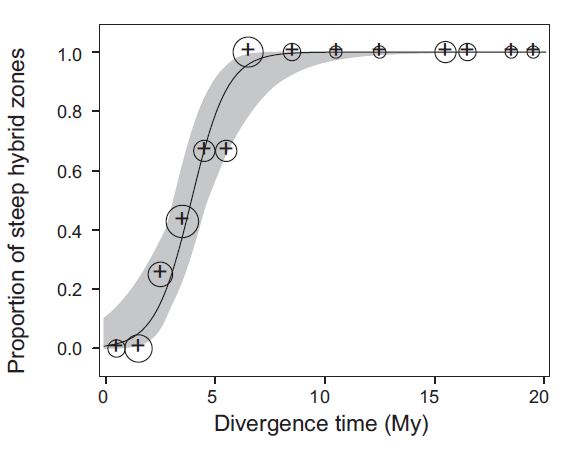
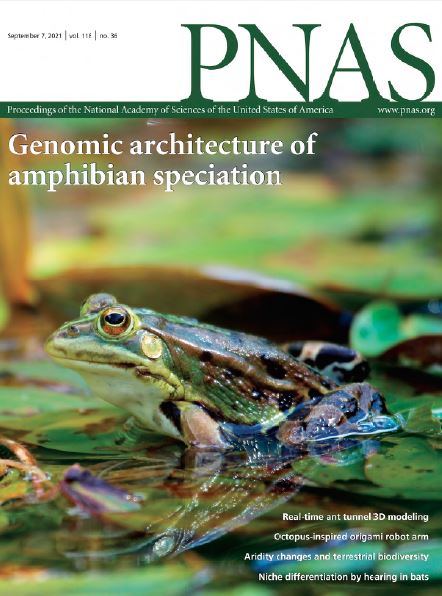 How can populations evolve into distinct species, that is, lineages that are unable to genetically admix? This question has puzzled evolutionary biologists ever since Darwin. Is the prevalent process rapid, involving mutations at a few key genes, or is it a gradual divergence of all genes that eventually induce developmental and fertility issues in hybrids? A group of researchers led by Christophe Dufresnes has now approached this question through a phylogenomic study of amphibian hybrid zones. We found that reproductive isolation evolves gradually through the accumulation of many small-effect “barrier genes”, and that amphibian lineages older than approximately 6 million years and with >3% divergence in the mitochondrial 16S rRNA gene, invariably form narrow transitions at contact zones, suggestive of completed speciation. These results confirm the gradual nature of species formation, and characterize a relatively narrow “grey zone” separating compatible subspecies from reproductively isolated species. By combining assessments of both phylogenetic independence and restricted gene flow at secondary contact, our approach will hopefully find some consensus among researchers adopting either the lineage or biological definition of species, and ultimately limit questionable taxonomic inflation.
Dufresnes, C., A. Brelsford, D. L. Jeffries, G. Mazepa, T. Suchan, D. Canestrelli, A. Nicieza, L. Fumagalli, S. Dubey, I. Martínez-Solano, S. N. Litvinchuk, M. Vences, N. Perrin, P.-A. Crochet (2021): Mass of genes rather than master genes underlie the genomic architecture of amphibian speciation. – Proceedings of the National Academy of Sciences of the U.S.A. 118: e2103963118. DOI: 10.1073/pnas.2103963118
Dissecting the tree of life
 Despite an enormous boost of digital teaching due to Covid-19-related restrictions, the amount of open-access online teaching resources in zoology is relatively scarce beyond rather generalized high-school-level materials. For our own teaching, Katharina Ruthsatz and Mark Scherz have developed a season of 14 guided video courses in animal anatomy and morphology for a general zoology lab for undergraduates at Braunschweig University of Technology (in German language). We are also making these videos available in English via a dedicated YouTube channel called Anatomy Insights. The videos give a brief overview of the taxonomy, biology, and ecology of the respective taxa and provide a step-by-step/real-time manual for dissection. While there is no substitute for practical anatomical experience, and dissection videos should supplement and must not replace hands-on dissection in anatomy courses at university level, such globally available resources serve to democratize access to education opportunities in animal morphology and taxonomy, while reducing the associated environmental and ethical footprint.
Ruthsatz, K., M.D. Scherz & M. Vences (2021): Dissecting the tree of life: the prospect of open-access digital resources in morphology, anatomy and taxonomy in training the next generation of zoologists. – Zootaxa 5016: 448–450.
Towards taxo-informatics
 Next-generation taxonomy, with the goal of an accelerated inventory of life on earth, depends on the conceptual and practical development of software targeted explicitly at facilitating alpha-taxonomic work, i.e., delimiting and diagnosing species. However, the "ecosystem" of such software is still underdeveloped, with the available tools usually not being particularly user-friendly and lacking standardization. With a group of researchers specializing in software-aided species delimitation and diagnosis, taxonomists, and programmers we set out to develop a suite of tools driven by graphical user interfaces to aid integrative taxonomists in their daily work. The initial version (iTaxoTools 0.1) contains species delimitation programs (ABGD, ASAP, DELINEATE, GMYC, PTP, tr2), tools to compute pairwise DNA distances, ultrametric time trees based on non-parametric rate smoothing, species-diagnostic nucleotide positions, convert among different formats of molecular sequences, geographical coordinates. The tools are available for different operating systems from a dedicated website: http://itaxotools.org/. In a further paper, we suggest a novel, standardized format (SPART) to improve the interoperability of species delimitation tools, and implemented it as output in various such programs.
.
A German perspective on a salamander-killing fungus 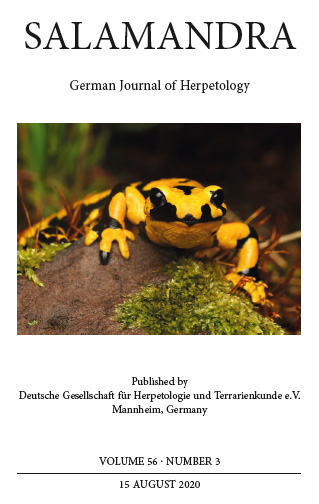
The invasive fungal pathogen Batrachochytrium salamandrivorans (Bsal) causes what has been called the ‘salamander plague’, with devastating effects on native caudate amphibians in Europe, especially in Germany. In a recent thematic issue of SALAMANDRA, the journal of the German herpetological society DGHT, a consortium of researcher has published a series of articles documenting the impact of Bsal in the epicentre of its invasive range that Germany sadly has become. This includes accounts on the known distribution of the pathogen across geography and hosts, observed mass mortality and hypothesized population collapses, documentation of externally visible symptoms, co-infection with Batrachochytrium dendrobatidis (Bd) and presence of other pathogens at some sites, methodological development as well as species distribution models. By including, on purpose, a large amount of descriptive and sometimes ‘anecdotal’ information we hope to inform and guide future studies which should move beyond merely document declines and experimentally assess habitat management strategies that could help ensuring the survival of European salamanders in face of Bsal.
Download full issue 56(3) of SALAMANDRA here.
Taxonomic data repositories and next-generation taxonomy
 Documenting, naming and classifying the diversity of life on Earth provides baseline information on the biosphere, which is crucially important to understand and mitigate the global changes of the Anthropocene. Since Linnaeus, taxonomists have named about 1.8 million species and continue doing so at a rate of about 15,000–20,000 species per year. However, given the unknown and disputed, yet undoubtedly enormous proportion of undocumented species, taxonomy at its current pace will not be able to deliver in a reasonable time frame a fairly complete, or at least representative, inventory of species on the Globe—which is needed to reliably inform the assessment of biodiversity patterns, anthropocenic changes of species composition, declines, and priority regions for conservation. Along with Susanne Renner, Aurélien Miralles and a team of researchers in the framework of the Taxon-Omics priority program of the German Research Foundation DFG (https://www.taxon-omics.com/), we identified a cybertaxonomic infrastructure tailored also to the need of practicing taxonomists, not only other end users, as one key to accelerating the process of naming new species. In a further opinion paper published in the new journal Megataxa I argue that fast-track taxonomy, with an emphasis on diagnosis + images rather than lengthy description, and user-friendly software for integrative taxonomy, including thorough species delimitation, are a priority for an accelerated high-quality inventory of Earth's species diversity.
Vences, M. (2020): The promise of next-generation taxonomy. - Megataxa 1: 35-38.
Convergent evolution of nursing in poison frogs
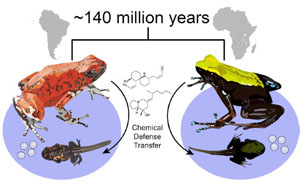 Alkaloid sequestering has evolved convergently in at least five clades of frogs, but we only start understanding how closely the underlying physiological and behavioral mechanisms in these poison frogs resemble each other. I was lucky enough to be able to contribute to a fascinating study led by Eva Fischer and Lauren O'Connell that targeted the connection of maternal care and toxicity in a Malagasy mantellid (Mantella laevigata) and a Central American dendrobatid (Oophaga pumilio). The study found that these frogs provision their offspring with chemical defenses, i.e., alkaloids, via feeding unfertilized eggs to tadpoles, and this behavior relies on activation of similar brain regions, but distinct molecular mechanisms in both species.
Fischer, E.K., A.B. Roland, N.A. Moskowitz, C. Vidoudez, N. Ranaivorazo, E.E. Tapia, S.A. Trauger, M. Vences, L.A. Coloma, L.A. O’Connell (2019): Mechanisms of convergent egg provisioning in poison frogs. – Current Biology 29: 4145–4151.
Cool lizards do not like global warming
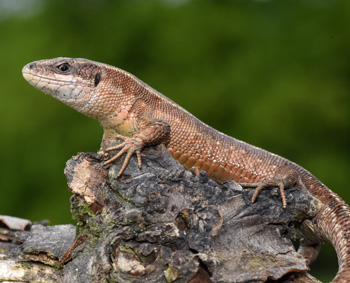 Lizards are a group of animals that proverbially love
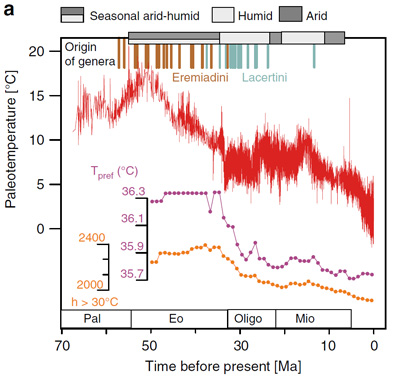 the sun (they are called “heliotherms”). Because these are cold-blooded animals, they depend on warmth and solar radiation to attain the temperatures they like. So the obvious hypothesis would be that they will benefit from global warming. But will they? Teaming up with 45 researchers from 17 countries we set out to answer this question for lizards of the family Lacertidae. This lizard family contains species occurring in the blazing heat of the Namib desert, but many others are restricted to chilly habitats on mountains above 2000m in Europe, and one species even reaches the Arctic Circle. We integrated phylogenomics, thermal physiology, fossil data and models and found that the climatic conditions these lizards experience very strongly influence their biology - including thermal preferences, range size, and genome-wide substitution rates. The pervasive adaptations to cool and moist temperatures in these lizards are millions of years old, and cast doubts on whether they will be able to cope with future warmer and drier conditions. Especially montane endemics and species adapted to moist conditions may be at risk in the face of global warming.
Inverse latitutinal effect in amphibian skin microbiomes
 The cutaneous bacterial community of amphibians is of high
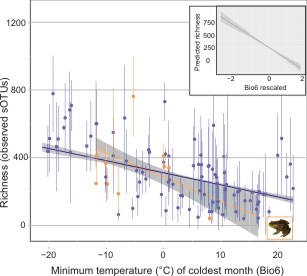 importance to host health but has typically been studied in geographically limited settings. In a study led by Jordan Kueneman and Molly Bletz we assembled a global data set of amplicon-determined microbiome composition from 2349 individual amphibians, delonging to 205 species and originating from 13 countries. While our analysis confirms an idiosyncratic effect of host identity on the composition and diversity of these bacterial communities, a strikingly constant pattern was an overarching bioclimatic effect on species richness: In warmer climates, microbiomes contained fewer bacterial species than in colder areas of the globe, contrary to the latitutinal effect of higher species diversity that is pervasive among animals and plants. The climatic effect also extended to microbiome composition, with Proteobacteria being more common in warmer climates. We propose mechanistic hypotheses that may explain this pattern, related to bacterial growth rates and growth optima, dormancy genes and antibiotic synthesis genes.
Poisonous toads imperil predators
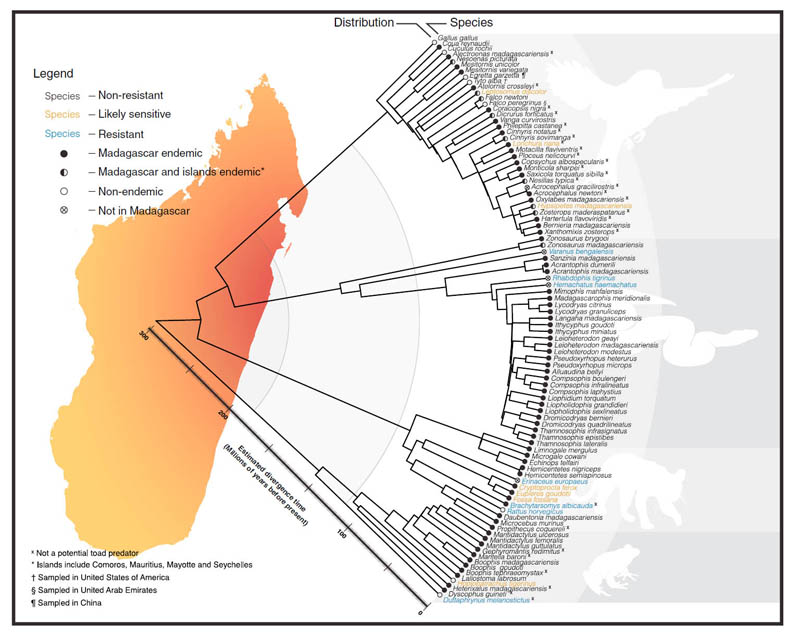 Invasive species can be detrimental to native faunas by competition or predation, but also by putting predators at risk. Recently the Common Asian Toad (Duttaphrynus melanostictus) has been introduced to Madagascar, most likely from a source population in Vietnam. This species belongs to an amphibian family currently absent from the island, and its secretion contains a cocktail of toxic compounds. Among these are which bufadienolides that inhibit the sodium-potassium pump (Na+/K+-ATPase), an essential component of animal cell membranes. In a recent study led by Ben Marshall and colleagues from Bangor and Liverpool Universities, we show that the majority of potential amphibian predators in Madagascar are vulnerable to these poisonous compounds because unlike a set of toad predators from other continents they lack resistance-conferring mutations in the respective genes. This demonstrates that these predators - snakes, lizards, birds, mammals and other frogs - might be fatally affected if ingesting one of these toads, stressing the grave danger posed by this invasive species to the unique native fauna of Madagascar. Future studies are needed to substantiate these fears, to assess if the Asian toad will penetrate into Madagascar's rainforest areas where the highest richness of endemic species occurs, and to understand if Malagasy amphibian predators will learn to avoid this dangerous prey.
Describing dwarf diversity
Madagascar's microhylid frogs have long been a taxonomic nightmare. 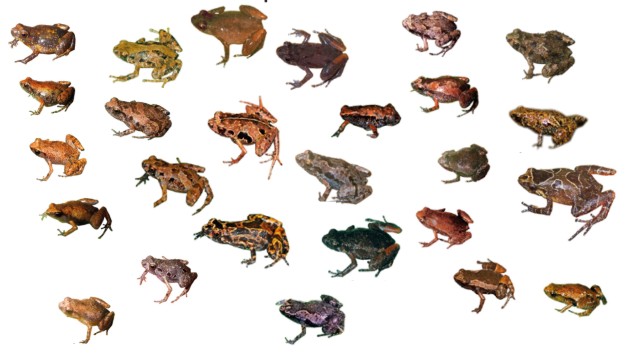 In 1991, Frank Glaw and I were surprised how many tiny-sized leaf-litter-dwelling frogs of the genus Stumpffia could be found in northern Madagascar; at the time, we described two new species, but we could not even imagine how many more there were to discover. Based on an incredible effort of Andolalao Rakotoarison in the framework of her PhD thesis, we now assembled more complete baseline data for this genus – resulting in a monograph with descriptions of 26 new species. Almost all of these are genetically highly distinct, and also differ from their closest relatives by advertisement calls. From 1991 to today, the genus has thus gone up from 4 to 41 species, and we already know that there are more undescribed species requiring taxonomic attention. Plus several deep clades of Stumpffia-like tiny microhylids that probably warrant their own, separate genera based on ongoing integrative study of their osteology and phylogenomic relationships. Could the amazing diversity of Stumpffia be related to their small to extremely small body sizes, (some species <10 millimetres from snout to vent) and small distribution ranges? Clearly, such miniaturized species hold the key to better understand the diversification mechanisms that gave rise to Madagascar's unique biotic diversity.
A tree of jawed vertebrates based on DNA sequences of over 7000 genes
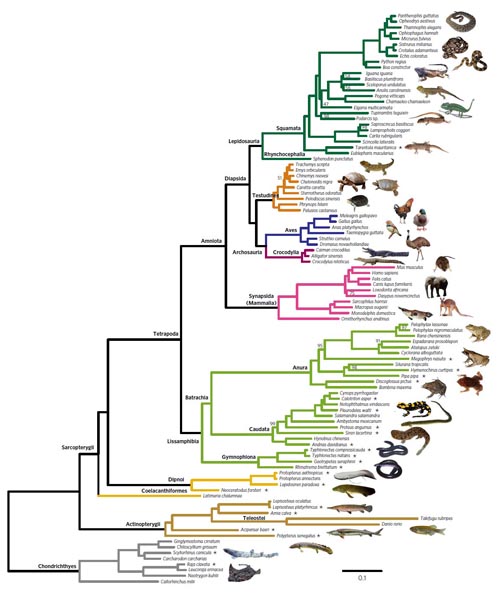 The evolution of jawed vertebrates is part of our
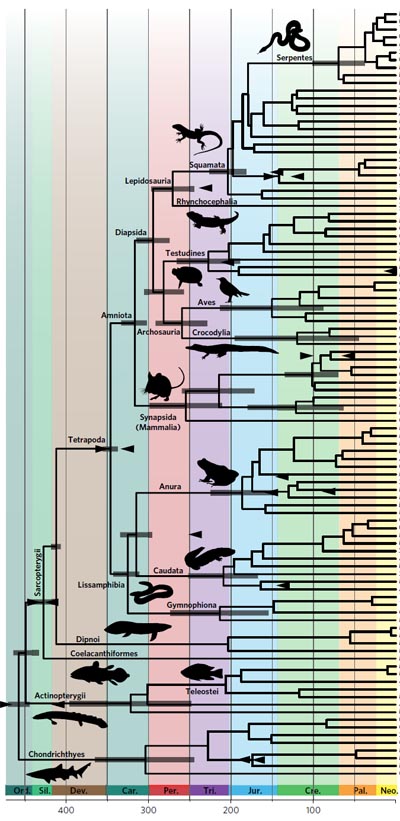 own history as humans. Despite decades of investigations, attempting to determine how some of these animal groups are related to each other has remained difficult. In a study led by Iker Irisarri, we reconstructed a new phylogenetic tree of jawed vertebrates using the largest and most informative dataset ever analysed, based on a total of 7,189 genes and almost 4 millions of amino acid positions from 100 species. These sequences were extracted mostly from transcriptome datasets, using a novel bioinformatic pipeline, optimized to remove contaminations and misalignments. The analysis resolves several key relationships that have remained controversial despite decades of research, including the identification of lungfishes as the closest living relatives of land vertebrates, the close association of turtles with crocodilians and birds (the archosaurs), and the relationships among amphibian groups (salamanders, frogs, caecilians), supporting the Batrachia hypothesis.
.
Do tadpoles drive frog evolution?
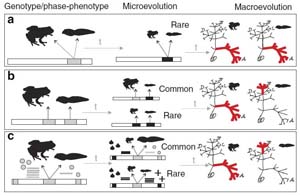 It is common knowledge
 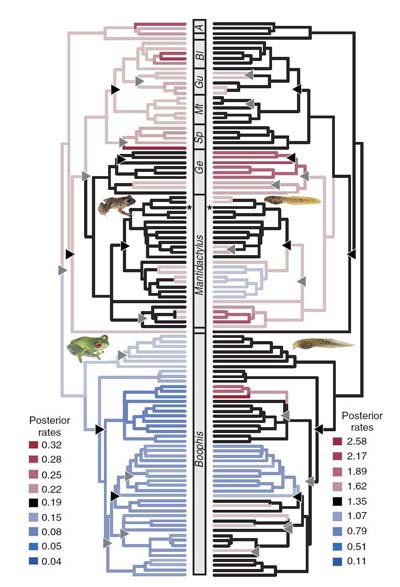 that tadpoles are morphologically highly divergent from adult frogs, and show a large variation in ecomorphological adaptations. But how do these influence the macroevolution of frogs? The species-rich family Mantellidae from Madagascar offers an excellent model to study this question. By comparing the rate and pattern of morphological change both for tadpoles and adults we found uncoupled morphological evolution among life-history phases, and by analysing gene expression we found genes linked to morphological structure formation are expressed in a highly phase-specific pattern. Tadpoles had higher rates of morphological change than adults, suggesting they have been driving mantellid evolution at least episodically. Our results confirm mantellids as an adaptive radiation, and indicate a prevalence of uncoupling in the evolution of tadpole and adult phenotypes of frogs.
Frog vocalizations in taxonomy
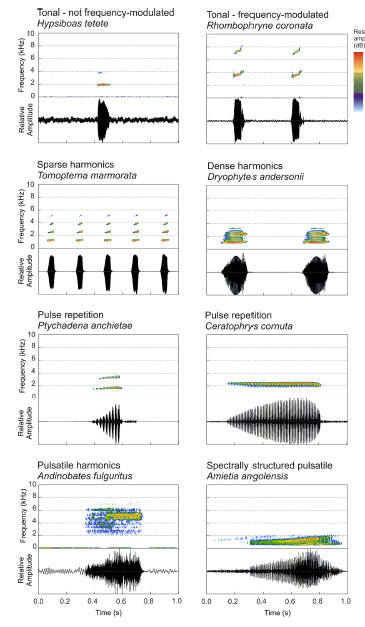
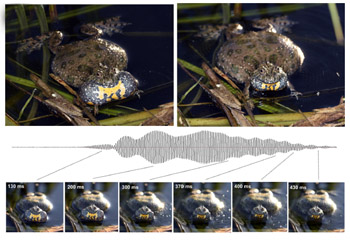 The advertisement calls of anuran amphibians provide informative characters for identifying and delimiting species. While these biological signals have been the subject of intensive research in physiology, behaviour, and ecology, their use in integrative taxonomy has rarely been comprehensively reviewed. In a comprehensive work by J. Köhler and other experienced anuran taxonomists, we review the terminology and variation of frog calls, and provide hands-on protocols for recording, analyzing, comparing, interpreting and describing these sounds, from a taxonomic perspective. Despite the need for caution in understanding, identifying and acknowledging uncertainty due to possible intraspecific variation and technical artifacts, bioacoustics remains a prime tool in integrative taxonomy.
Salamander gut microbiota adapt to new environments functionally, but not always taxonomically
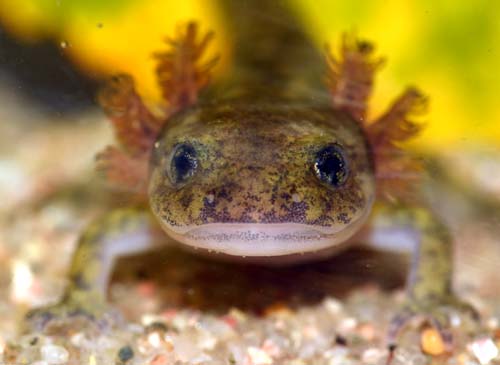 Gut microbiota are a dynamic system, composed of a complex community of bacteria recruited from the environment. These microbial communities can help animals adapt to certain dietary sources, but they are also modified by new community members taken up with the diet. In a study led by Molly Bletz and Sebastian Steinfartz we used a sys
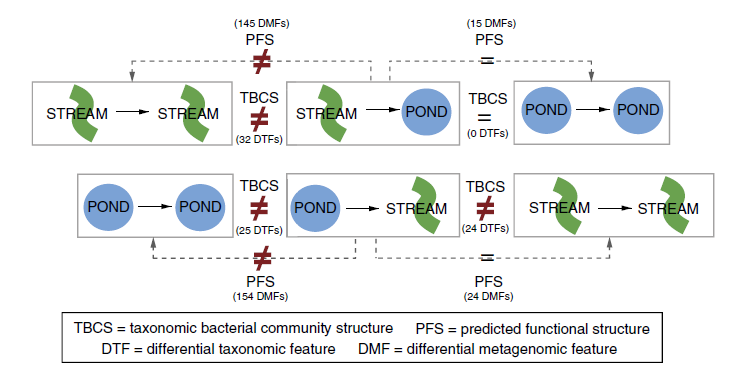 tem of stream- versus pond-adapted larvae of the fire salamander to explore how flexible their gut microbiota respond to habitat alterations. We found that the composition of the intestinal bacterial communities changes after translocation into a new environment, but not necessarily achieves the composition of the larvae native for this environment. However, intriguingly the predicted functions of the communities do show a full shift in translocations from stream to pond and from pond to stream, changing to the state prevalent in the native larvae of each type of water body. Gut bacterial communities can thus react very differently to changes in their habitat, whilst still converging on the same functions.
Bletz, M.C., D.J. Goedbloed, E. Sanchez, T. Reinhardt, C.C. Tebbe, S. Bhuju, R. Geffers, M. Jarek, M. Vences & S. Steinfartz (2016): Amphibian gut microbiota shifts differentially in community structure but converges on habitat-specific predicted functions. – Nature Communications 7: 13699.
Do tadpole intestines harbor unique microbiotas?
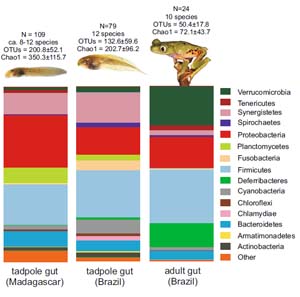 Animal-associated microbial communities can play major roles in the physiology, development, ecology, and evolution of their hosts. Intestinal microbial communities of anurans are of special interest because of the fundamental transformation of the digestive system from the omnivorous/herbivorous tadpole to the carnivorous adult frog. We collab
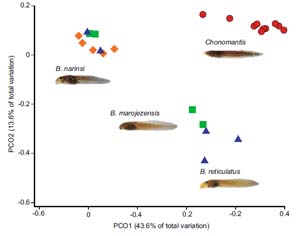 orated with teams from Brazil, Madagascar and the USA to characterize the gut bacterial communites of tropical tadpoles and frogs by Illumina-sequencing amplicons of the bacterial 16S rRNA gene. This metabarcoding study found drastic differences among the microbiota of conspecific adults and tadpoles, while the tadpoles of unrelated anurans from Madagascar and Brazil shared an important part of their core bacterial community. We also observed influences of water bodies and host species on tadpole bacterial communites, suggesting that a complex interplay of environmental factors, food, and host taxonomy determines the bacterial communities of these species.
.
Intra-island speciation in Darwin's ugly duckling
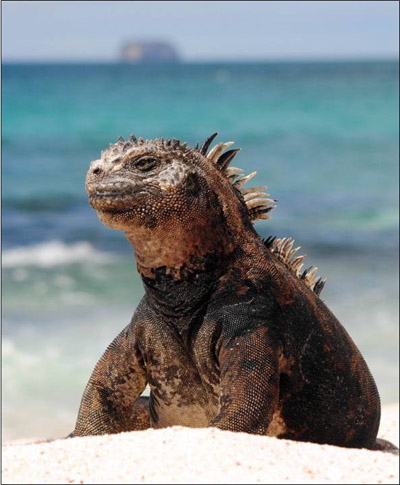 Charles Darwin was fascinated by the fauna
 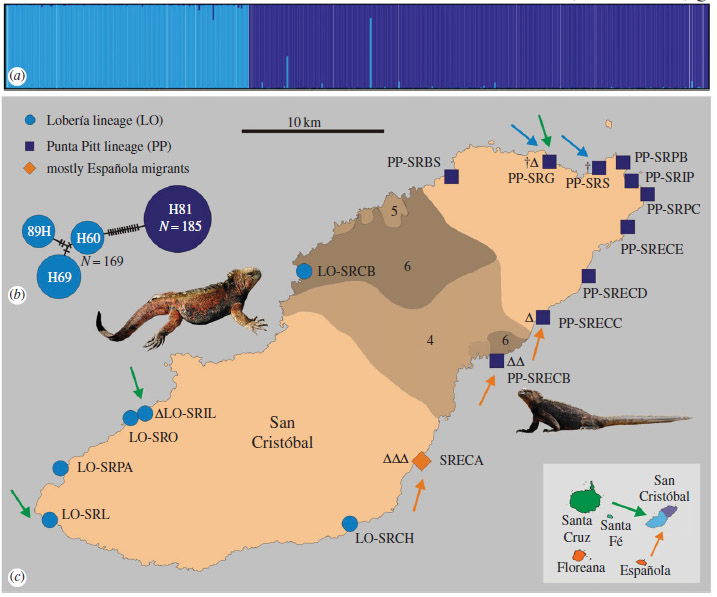 of the Galápagos, and his observations on this archipelago were crucial for his theory of evolution by natural seclection. One of the most charismatic organisms of these islands, however, did not attract his affection: Marine iguanas, the only seagoing lizards, to him were "a hideous-looking creature, of a dirty black colour, stupid and sluggish in its movements" to him. Yet, these lizards now offer surprising insights into evolutionary processes. In a paper led by Amy MacLeod and Sebastian Steinfartz, we demonstrate a case of incipient speciation of these large and mobile lizards on the San Cristóbal island, along a shoreline of only 140 km. Probably initially triggered by lava flows and reinforced by local adaptation, populations of the southeastern and northwestern parts of the island have become genetically and morphologically divergent lineages, apparently without current gene flow, a process not even observed in the small-sized Caribbean anoles on similar-sized small islands. However, ongoing hybridization with migrants from other islands counteracts this speciation process and explains why at present only a single, highly adaptable species of marine iguana exists.
.
Madagascar's complex biogeography
Biodiversity patterns such as species richness or regional endemism are often used to infer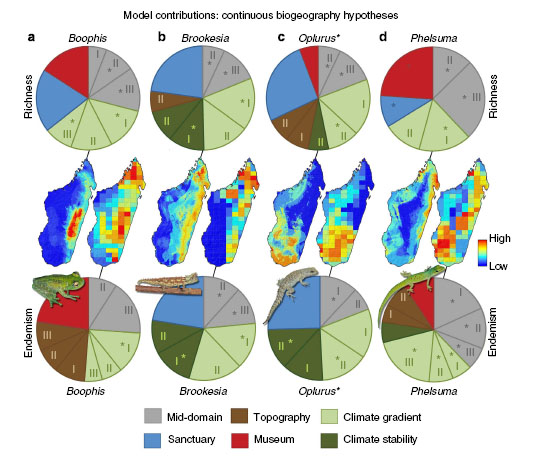 the underlying processes of diversification. However, often only single hypotheses are tested and narrative explanations proposed. With a team of collaborators led by Jason Brown we developed a statistical method to simultaneously assess the releative influence of various diversification mechanisms on the observed diversity patterns. The method first translates the expectations of each mechanism into an explicit spatial representation, and then compares theoretical with observed patterns, using generalized linear spatial models (GLSM). For a comprehensive dataset of amphibians and reptiles we show that a one-size-fits-all model does not exist for the entirety of species, but different subclades of taxa show prevalent influences of different mechanisms. This method provides a more objective means to understand the factors influencing biotic diversification but requires further refinement by including the phylogenetic relationships of species. ..
.
.
European herp distribution
A precise knowledge of the spatial distribution of taxa is essential for decision-making processes in land 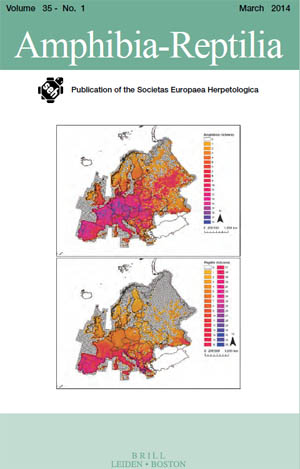 management and biodiversity conservation, both for present and under future global change scenarios. For European amphibians and reptiles, the last comprehensive compilation of their distribution was the atlas by Gasc et al. published in 1997 by the Societas Europaea Herpetologica (SEH). The maps of this standard work have however not been made available in digital formats suitable for analysis in geographic information systems, and due to taxonomic progress and intensified mapping efforts at regional and national levels, are partly outdated. As a first step to an interactive atlas grounded on a distributed database of records (http://na2re.ismai.pt/) the mapping committee of SEH has compiled a dataset of over 384 000 grid and locality records distributed across 40 European countries. In a paper published in Amphibia-Reptilia we analyze these data from a biogeographical perspective and, most importantly, identify taxonomic and spatial gaps of knowledge which require intensified research. To stimulate further mapping and research projects, the preliminary maps for all European amphibian and reptile species are made available open-access on the journal webpage of Amphibia-Reptilia and are also available from the link below, including GIS-shapefiles for free use.
.
Sillero, N., J. Campos, A. Bonardi, C. Corti, R. Creemers, P.-A. Crochet, J. Crnobrnja Isailovic, M. Denoël, G. F. Ficetola, J. Gonçalves, S. Kuzmin, P. Lymberakis, P. de Pous, A. Rodríguez, R. Sindaco, J. Speybroeck, B. Toxopeus, D.R. Vieites, M. Vences (2014): Updated distribution and biogeography of amphibians and reptiles of Europe. Amphibia-Reptilia 35: 1-31. (download PDF with all supplements - 40 MB)
Double rediscovery
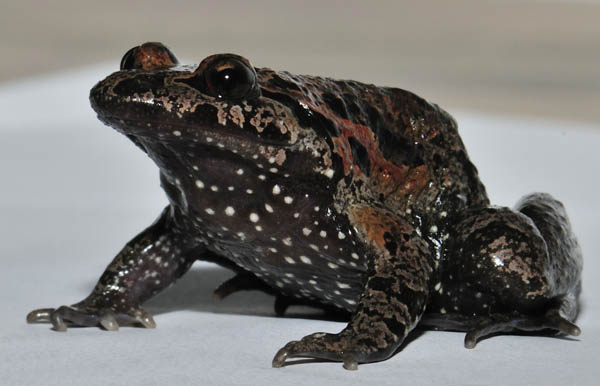 A large proportion of amphibian species are threatened with extinction, and many species have not been seen for decades and are thought to be extinct. One of the first such species was the Hula Painted frog, only known from the Hula valley in Israel where it had last been seen in 1955. The extensive wetlands in this valley have since been replaced by intensive agriculture, and it seemed obvious that this endemic frog species was extinct. A recent paper led by Israeli researchers reports on the rediscovery of this animal which furthermore on the basis of osteological and molecular genetic data turned out to belong not into the genus Discoglossus as previously thought, but into Latonia, a genus of giant
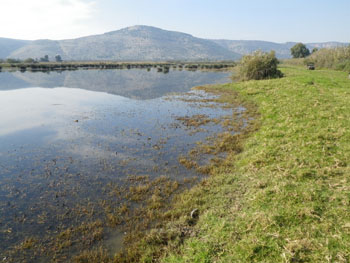 fossil frogs widespread in Europe from Miocene to Pleistocene but without records for the past ca. 1 million years. This double rediscovery, besides its interest for paleontology and biogeography, is also encouraging for amphibian conservation. It suggests that under certain circumstances, small populations of amphibians can survive undetected for considerable period of times, and recover once that the external conditions improve. Indeed, the new specimens of Latonia nigriventer were found after many years of intensive efforts to restore part of the Hula wetlands by Israeli authorities. This supports intensifying these nature conservation activities.
.
.
Species delimitation metrics
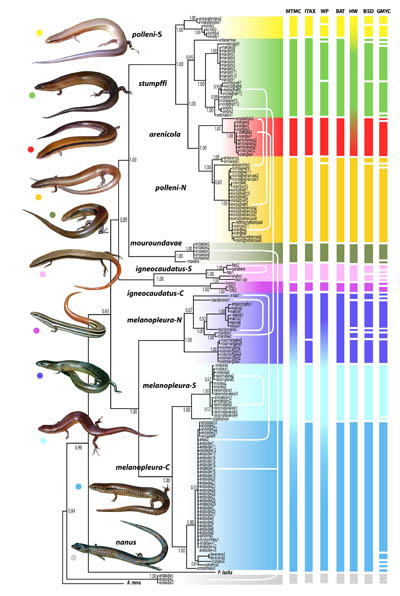
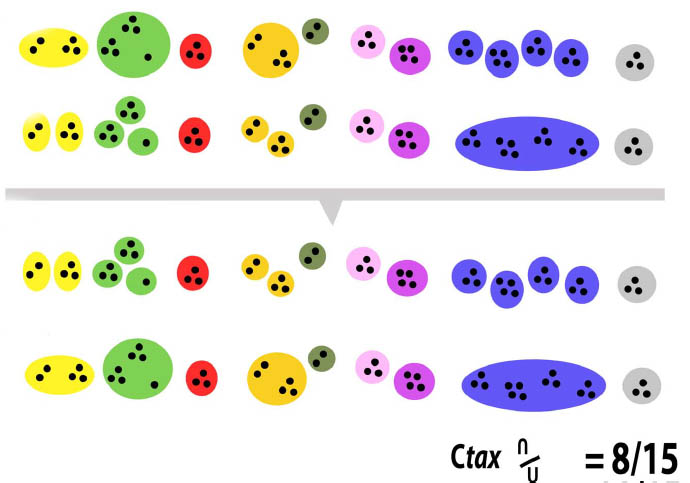 In the era of genomics, delimiting species by multigene data sets becomes increasingly feasible, yet most species descriptions still follow traditional delimitation approaches, often by morphology only. A recent study led by Aurelien Miralles uses an extensive data set of molecular and morphological data from Malagasy lizards to compare the outcome of different species delimitation methods using a newly developed metric, the taxonomic index of congruence (Ctax). We find a large disparity among methods of which some clearly overestimate species numbers. However, especially the Bayesian assignment test approach delimits species-level units largely in accordance with integrative taxonomic methods and might be suitable for automated species delimitation pipelines.
..
.
.
Economy of change in Linnean classification
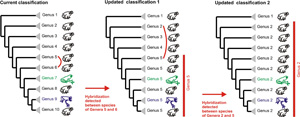
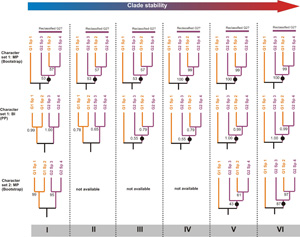 The Linnaean classification system provides the universal reference system for communicating about the diversity of life and its evolutionary history. Scientific progress and subjective preferences are leading to a high rate of change in the classification of organisms which sometimes hampers its main purpose, facilitating communication. In a paper co-authored by J. Guayasamin, I. De la Riva and A. Miralles, we review and elaborate proposals for Taxon Naming Criteria: TNCs. These are drafted from the perspective of practicing taxonomists and can help choosing among alternative monophyly-based classifications under a premise of economy of change. We identify three TNCs as primary when naming taxa: (i) Monophyly of the taxon in an inferred species tree; (ii) Clade Stability, i.e., the monophyly of a clade to be named as taxon should be as strongly supported as possible by various methods of tree inference, tests of clade robustness, and different data sets; and (iii) Phenotypic Diagnosability, i.e., ranked supraspecific taxa should be those that are phenotypically most conspicuous although in phenotypically cryptic groups of organisms it can be warranted to name taxa based on molecular differences alone. Despite a need for plurality, classifications should avoid deliberately violating any of the three primary TNCs because taxa of unstable monophyly or poor diagnosability reduce the information content and hence the utility of the Linnaean system.
.
.
Out of Africa dispersal of chameleons
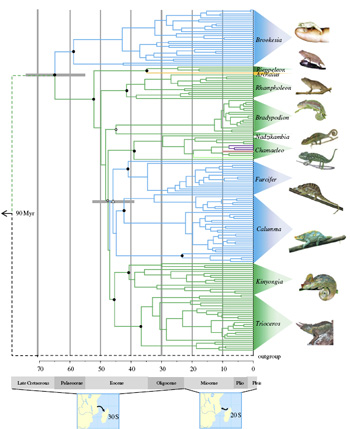 Chameleons have become a textbook example of transoceanic dispersal as they have colonized numerous islands in the Indian Ocean. With K. Tolley and T. Townsend, we reconstructed chameleon phylogeny from a near-complete taxon sampling and based on DNA sequences of up to 13 genes. For the first time, we find evidence for a monophyletic group comprising all large-sized Malagasy chameleons (Calumma and Furcifer), and we reconstruct the origin of the chameleon clade in Africa rather than Madagascar. Dispersals took place during the Caenozoic, twice from Africa to Madagascar, once to the Seychelles, and once or twice from Madagascar to the Comoros.
.
.
.
.
.
.
Ancient rafters
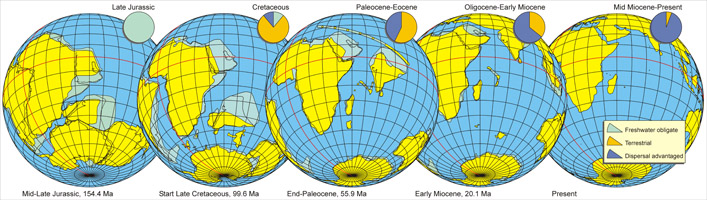
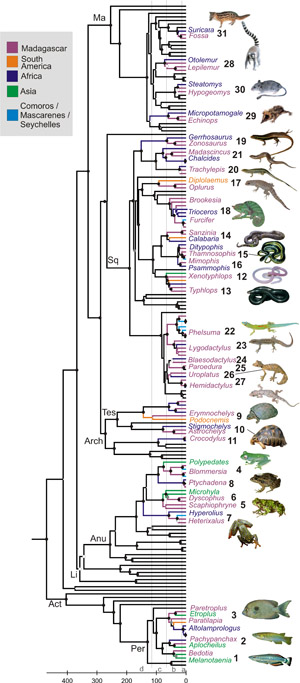 Lemurs and tenrecs, miniature chameleons and giant snakes, poison frogs and colorful cichlid fishes: Madagascar's animal assemblages are unique, diverse and highly threatened by extinction. But how did these remarkable animals arrive on Madagascar? For long time, this question was unsolved and had been considered to be one of the largest biogeographic mysteries. Madagascar is isolated since the Cretaceous period from all other continents. Fossils from the end of that period, around 70 million years old, suggest a very different assemblage of ancient animals without any obvious relationships to Madgascar's current fauna: dinosaurs and marsupial mammals, lungfishes and gars, vegetarian crocodiles and giant toads walked on the island in that period. Two articles published in PNAS shed light on the origins of Madagascar's extant vertebrates. Using a comprehensive timetree of Madagascar's endemic vertebrate clades we assessed that the ancestors of most of these animals arrived around the KT-boundary, 70-60 million years ago, on Madagascar's shores, and that the key for their current species richness was the subsequent colonization of rainforest. In parallel, Karen Samonds and collaborators reached similar conclusion based on an analysis of the arrival patterns of these vertebrate clade ancestors in Madagascar which supported hypotheses drawn from paleogeographic and paleoclimatic reconstructions.
.
Liliputian lizards
 The fastest, the largest, the heaviest or the smallest:
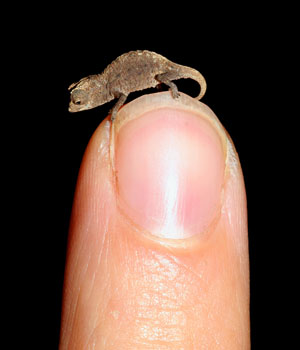
 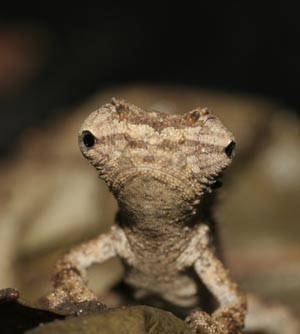 humans are interested in the extremes of nature, as shown by many entries in the Guiness book of records. However, determining such records is always subjective since it depends on which measurement is taken into account. In amniotes, if the measure is total length, then Brookesia micra, a new species described from Madagascar along with three other miniaturized leaf chameleons, qualifies indeed as the smallest species of all, although its snout-vent length is admittedly not below that of two miniaturized Caribbean Sphaerodactylus geckos. Independent from such discussions, the truely interesting fact about these tiny chameleons is their high amount of genetic differentiation, suggesting very old ages since divergence, and their extremely microendemic occurrence in northern Madagascar. Brookesia micra is so far only known from forest fragments on Nosy Hara islet, with a probable area of occupancy below 50 ha. How these lizards have persisted in such small ranges for millions of years is a mistery.
.
Frog is in the Air
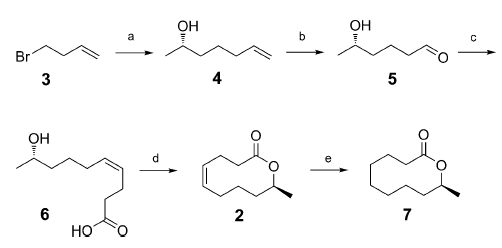
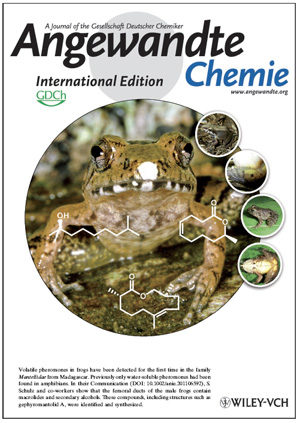 Frogs mostly communicate acoustically but the use of peptide pheromones in the water or through direct contact is known from numerous species of anurans as it is from salamanders. Many frogs have sexually dimorphic macrogland structures of largely unknown function that have been hypothesized to be involved in chemical communiation.
In a project led by Stefan Schulz and Dennis Poth we demonstrated that the femoral glands typical for the males of some Malagasys frogs produce compounds that are partly known to act as volatile airborne pheromones in insects, and we experimentally found some of these compounds to probably alter the behavior of the frogs. Pheromone composition was species-specific and these chemical cues could serve as important short-distance recognition mechanism in species-rich tropical amphibian communities. We hypothesize that divergence in chemical signals might also be relevant in the speciation process in these frogs and merits further investigation.
.
.
Speciation in Little
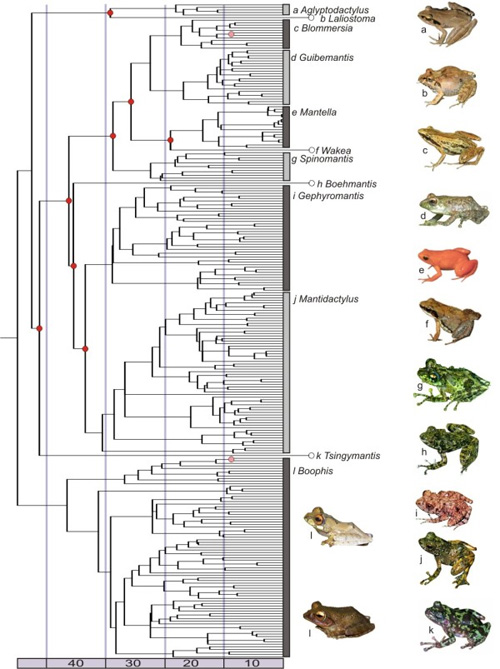 Which factors influence species diversification? On a basis of a newly assembled molecular phylogeny of the Malagasy frog family Mantellidae, with a near-complete taxon sampling of 257 nominal and candidate species, a study led by Katharina Wollenberg analyzed the evolution of various traits of these frogs. We found a strong correlationbetween body size and range sze, confirming that small frogs have smaller distribution ranges, and this correlation was also significant after phylogenetic correction. Microendemic and small-sized sister species have more proximate ranges and climatically more similar niches than widely distributed or larger species, and young pairs of sister species were distrimuted in closer spatial proximity than older pairs of sister species. This rejects a predominant role of peripatric speciation in these frogs and suggests the possibility of adaptive species formation.
.
.
Integrative Taxonomy
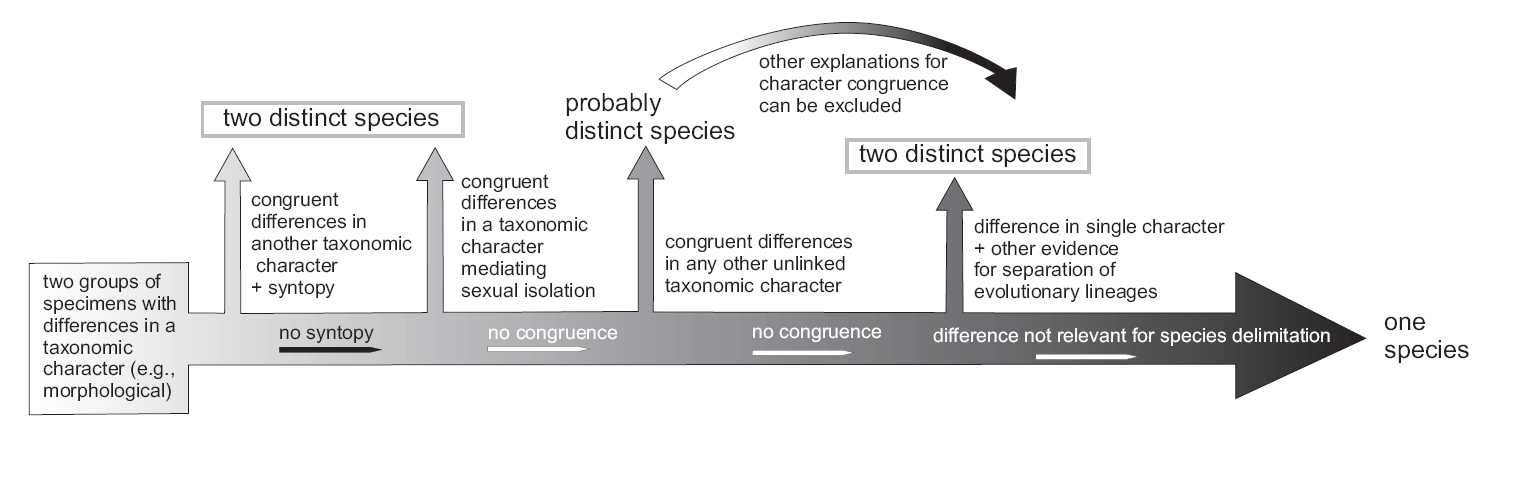
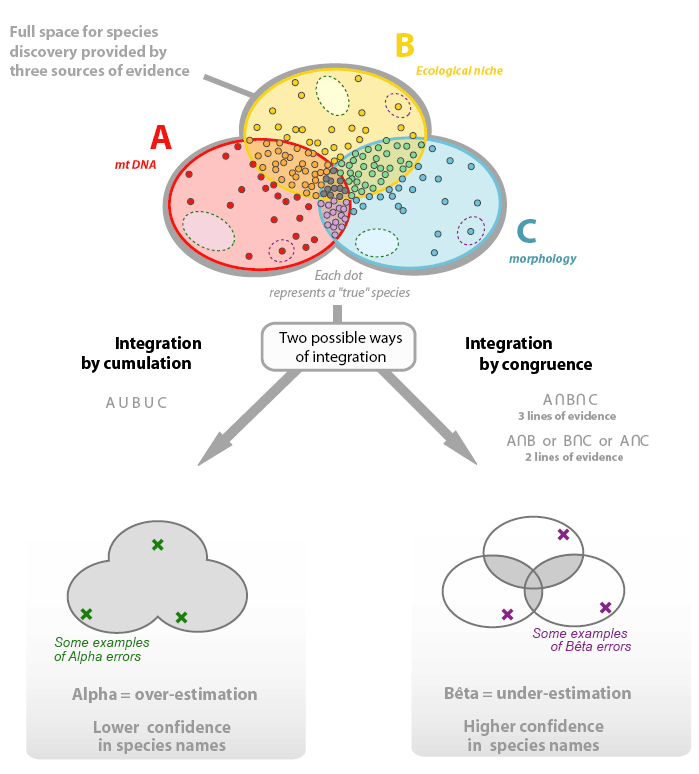 Our understanding about what species are has significantly progressed in the last decade: most biologists will today agree that species are separately evolving lineages at the population or metapopulation level, but it remains controversial how we can recognize that two lineages indeed are on independent evolutionary trajectories, and when such entities should be described and named as new species. In a recent paper published in Frontiers in Zoology we review concepts of Integrative Taxonomy and propose a consensus work protocol that combines evidence from multiple data sources for the identification of new species. We argue that taxonomy needs to be pluralistic and integrate new approaches for species delimitation if it is to become a modern evolutionary discipline, and that new methods of automation need to be tested to overcome the bottleneck of actually scientifically naming and describing the many candidate species that are routinely discovered by DNA barcoding studies.
.
.
A Rhapsody of Colours
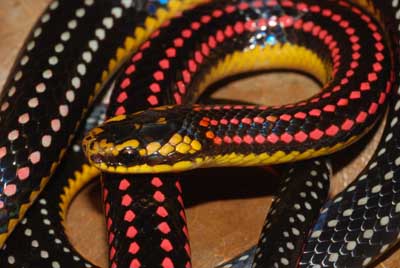
 Taxonomic revisions are always a prominent part of our work, but rarely as exciting as the recent discovery of an extremely colourful new species of snake from Madagascar, which we described as Liophidium pattoni. In fact, this species had been photographed several times before, but no specimens had become available to us previous to our own survey in the newly created Makira reserve in 2009.
.
.
.
Undescribed Frog Diversity and Candidate Species
 In a recent paper published in PNAS, we report on an unprecedented
 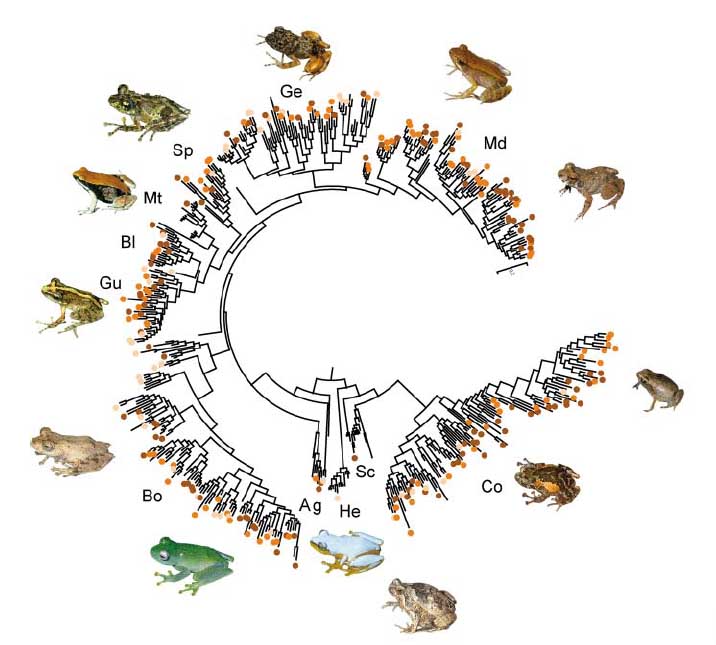 number of new species of frogs that we discovered in Madagascar using an integrated approach that combined an initial DNA barcode screening followed by focused bioacoustic and morphological comparisons. The results indicate the existence of an almost 2-fold increase in species numbers from the currently described 244 species to a minimum of 373 and up to 465. For the original article in PNAS, see here. For a selection of press coverage of this paper, see here.
Vieites, D.R., K. C. Wollenberg, F. Andreone, J. Köhler, F. Glaw & M. Vences (2009): Vast underestimation of Madagascar's biodiversity evidenced by an integrative amphibian inventory. Proc. Natl. Acad. Sci. U.S.A. 106: 8267-8272.
.
.
.
Conserving Madagascar's Megadiverse Biota
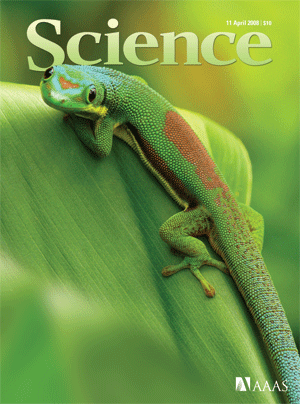
With a team of researchers led by Claire Kremen and Alison Cameron from the University of California, Berkeley, we have recently translated our biogeographic and systematic amphibian data gathered over 15 years into precise conservation planning. As reported in the cover article of the 11 April 2008 issue of Science, distribution models and point distribution data of altogether over 2300 animal and plant species were used to determine priority areas for biodiversity conservation in Madagascar, and to propose new areas to be included in Madagascar's reserve network.
In a further recent paper in the "Perspectives" section of PLoS Biology, we argue that that proactive conservation efforts should be focused on Madagascar's amphibians, as this hyperdiverse fauna so far appears to be untouched by emergent diseases but will become highly threatened in the near future due to habitat destruction.
.
.
Andreone, F., A. I. Carpenter, N. Cox, L. du Preez, K. Freeman, S. Furrer, G. García, F. Glaw, J. Glos, D. Knox, J. Köhler, J. R. Mendelson III, V. Mercurio, R. A. Mittermeier, R. D. Moore, N. H. C. Rabibisoa, H. Randriamahazo, H. Randrianasolo, N. Rasomampionona Raminosoa, O. Ravoahangimalala Ramilijaona, C. J. Raxworthy, D. Vallan, M. Vences, D. R. Vieites, C. Weldon (2008): The challenge of conserving amphibian megadiversity in Madagascar. – PLoS Biology 6: e118.
.
Identifying Species in Madagascar's Herpetofauna
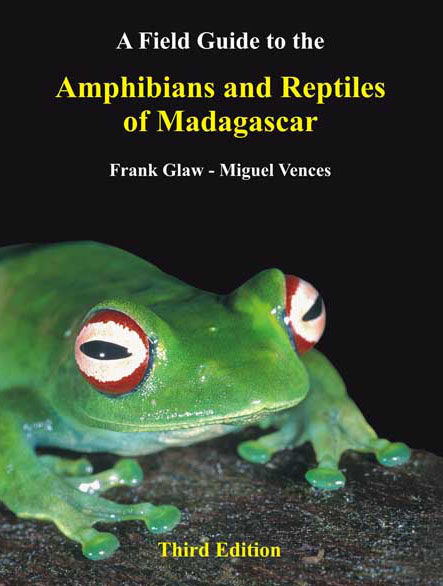 The third edition of our Field Guide to the Amphibians and Reptiles of Madagascar is available since October 2007 from Chimaira. The book has also been published as local language edition in Malagasy, financed through the World Bank Local Language Fieldguide Program. A full PDF of the Malagasy language version is available here.
Glaw, F. & M. Vences (2007): A Field Guide to the Amphibians and Reptiles of Madagascar. Third Edition. – Köln, Vences & Glaw, 496 pp. (ISBN 978-3-929449-03-7).
.
.
See Sample Pages of the Field Guide
.
.
Speciation in Amphibians
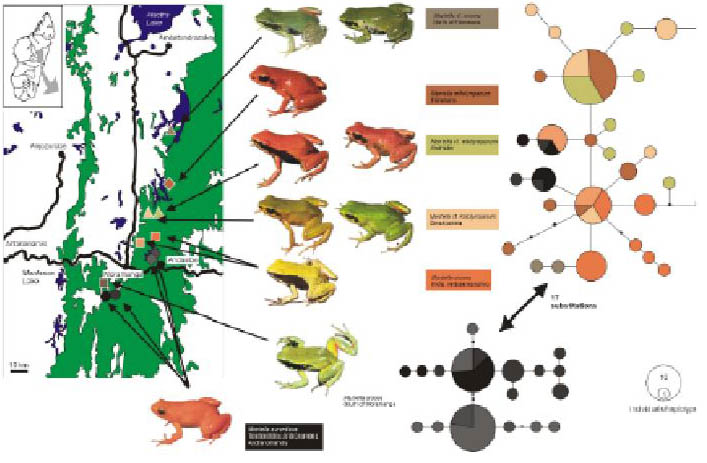 An extensive summary of current knowledge on mechanisms of species formation prevalent in amphibians was published in 2007 in the book series "Amphibian Biology", by M. Vences and D. B. Wake. The chapter also includes a survey of studies of phylogeography in amphibians, and tries to outline major promising fields of further research.
.
.
Intercalary Element Evolution
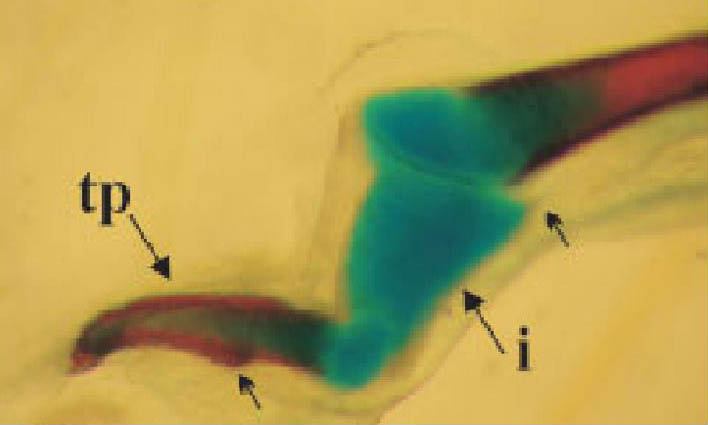 Mantellid
frogs from Madagascar are characterized by a particular osteological
feature, the so-called intercalary elements between terminal and subterminal
phalanges of fingers and toes. Mantellids contain one lineage (Laliostoma
labrosum) without such intercalary elements and thereby provides the clearest example of secondary loss of this character. I recently contributed to a paper by Adriana Manzano and Marissa Fabrezi that studies the morphology of these skeletal elements and associated muscles across a wide taxon sampling of Recent anurans, and interprets the presence of these elements - or of its developmental genetic basis - as morphological novelty that originated early in the Neobatrachia.
Mantellid
frogs from Madagascar are characterized by a particular osteological
feature, the so-called intercalary elements between terminal and subterminal
phalanges of fingers and toes. Mantellids contain one lineage (Laliostoma
labrosum) without such intercalary elements and thereby provides the clearest example of secondary loss of this character. I recently contributed to a paper by Adriana Manzano and Marissa Fabrezi that studies the morphology of these skeletal elements and associated muscles across a wide taxon sampling of Recent anurans, and interprets the presence of these elements - or of its developmental genetic basis - as morphological novelty that originated early in the Neobatrachia.
Manzano, A., M. Fabrezi & M. Vences (2007): Intercalary elements, treefrogs, and the early differentiation of a complex system in the Neobatrachia. – The Anatomical Record 290: 1551-1567.
.
.
Neotropical Amphibian Diversity Underestimated
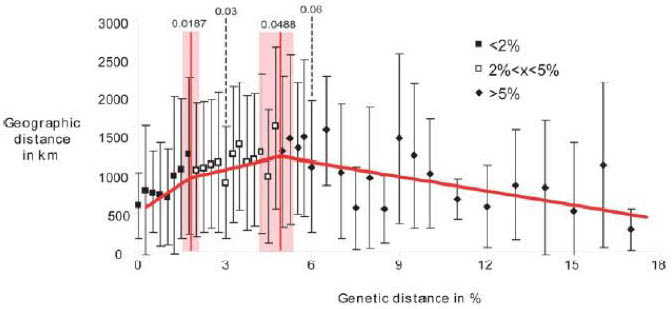 The integration of molecular, biocoustic and morphological data have shown
that a very large number of undescribed amphibian species occurs
in Madagascar. Antoine Fouquet has analyzed molecular data from Neotropical
amphibians to obtain first estimates of cryptic diversity, and besides
distance-based and phylogenetic analyses also developed a method to analyse
cross-species data for isolation-by-distance and thereby isolate signals
of cryptic species. In a joint paper we estimate that Neotropical amphibian
diversity is severely underestimated, but also present evidence that genetically
similar populations of widespread species do exist in South America.
The integration of molecular, biocoustic and morphological data have shown
that a very large number of undescribed amphibian species occurs
in Madagascar. Antoine Fouquet has analyzed molecular data from Neotropical
amphibians to obtain first estimates of cryptic diversity, and besides
distance-based and phylogenetic analyses also developed a method to analyse
cross-species data for isolation-by-distance and thereby isolate signals
of cryptic species. In a joint paper we estimate that Neotropical amphibian
diversity is severely underestimated, but also present evidence that genetically
similar populations of widespread species do exist in South America.
.
Web by Sandra Nieto
 |
|
|
|
|